



Sheet Metal Machines
Explore cutting, bending, folding and press solutions for industrial sheet metal production. EBR METAL machines are built for workshops and factories that need practical, durable, production-ready metal fabrication equipment.
Sheet Metal Machinery for Industrial Production
EBR METAL offers sheet metal machines for cutting, folding, bending, rolling, pressing and forming operations. Our product range covers different production requirements, from simple sheet cutting to forming, stamping, profile bending and HVAC duct fabrication.
Each machine category serves a different production need. Choosing the right machine depends on material type, sheet thickness, part geometry, production volume and the precision required.
Explore Our Product Categories
Select a category to review the machine group that matches your production process.
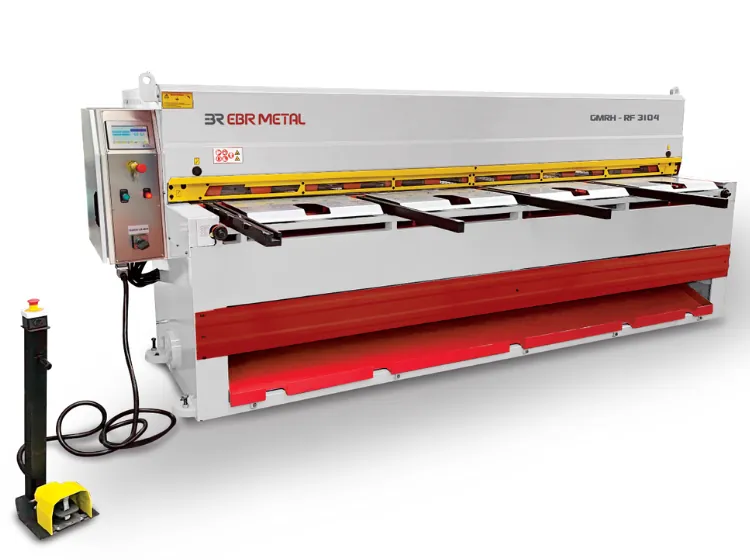
Cutting Machines
Cutting machines are used for sheet metal sizing, trimming and preparation before bending, forming or assembly. This category includes guillotine shears and circular cutting solutions for workshops that need clean cuts and repeatable cutting cycles.
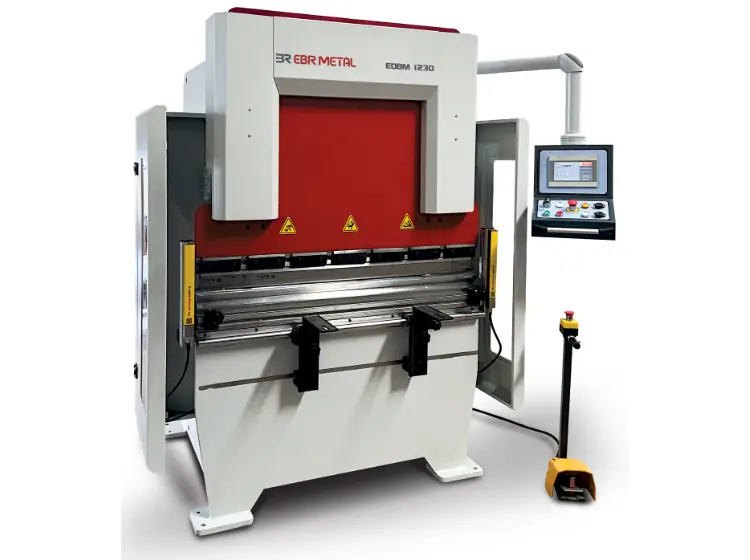
Folding Machines
Folding machines are used when the sheet needs to be bent along a straight line with controlled angle accuracy. They are commonly selected for panels, boxes, covers, HVAC parts and other sheet metal components that require repeatable folding.
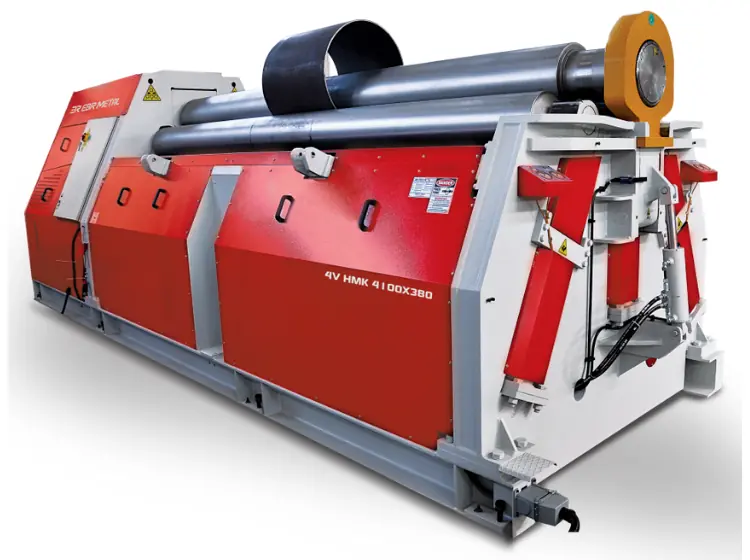
Bending (Rolling) Machines
Bending and rolling machines form sheet or plate material into cylinders, cones and curved sections. This category includes plate rolling machines, used when the required part geometry cannot be produced by straight-line folding alone.
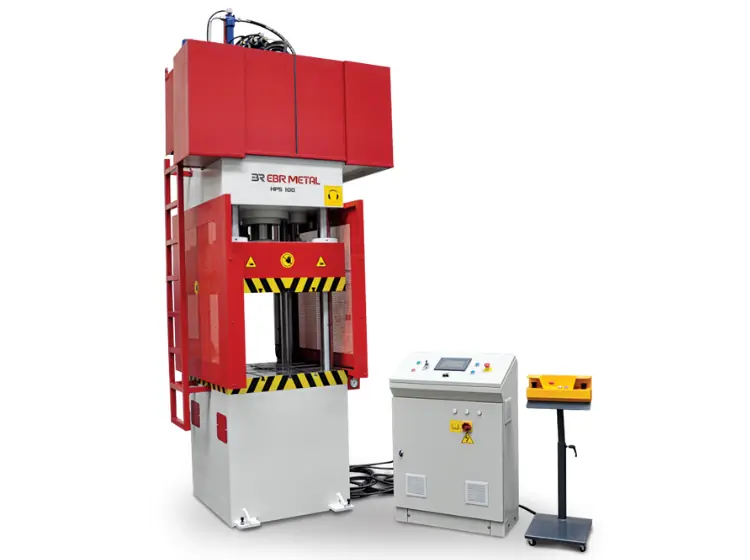
Hydraulic Presses
Hydraulic presses handle deep drawing, forming, pressing and heavy-duty metal shaping operations. Correct machine selection depends on tonnage, daylight, stroke, tooling and the geometry of the part to be produced.
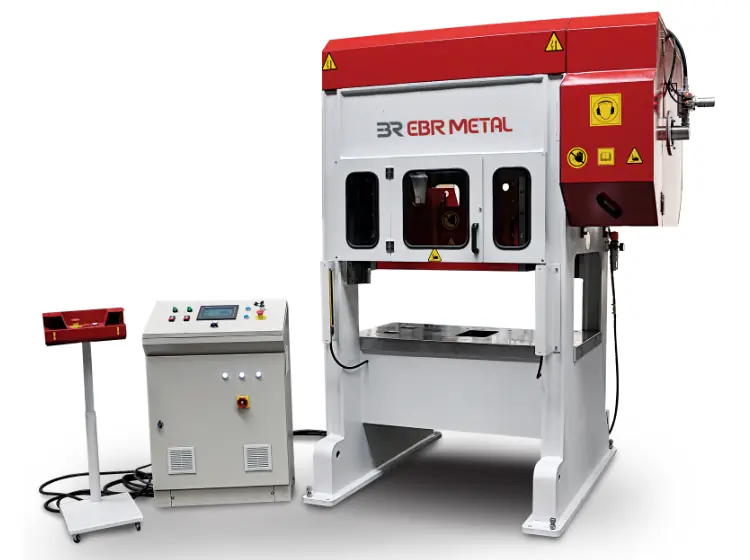
Mechanical Presses
Mechanical presses are suited to repetitive stamping, punching and forming operations where speed and cycle consistency matter. They are commonly selected for serial production environments with defined tooling and repeatable part dimensions.
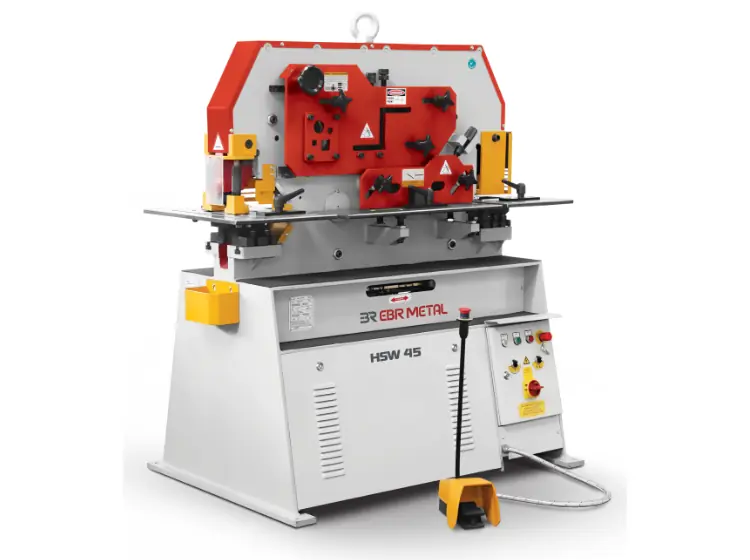
Steelworkers & Punching
Steelworker and punching machines combine punching, cutting, notching and section processing in one machine. They are useful for fabrication workshops that process plates, profiles and structural components in daily production.
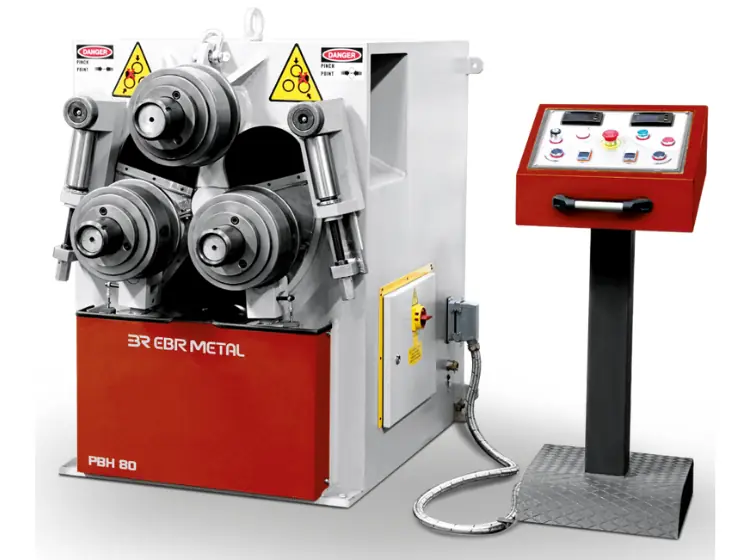
Angle Rolls - Profile Bending
Profile bending machines are used for pipes, tubes, bars and metal sections. Machine selection depends on profile type, material, bending radius, section size and the final shape required.
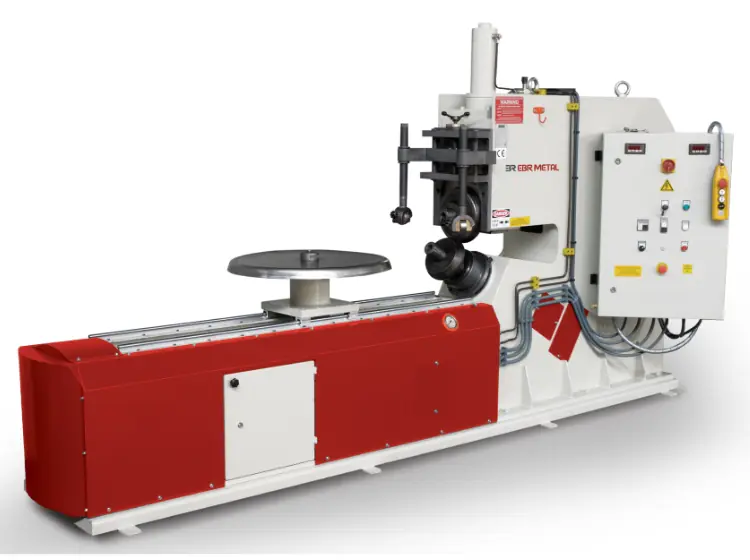
Circular Cutting & Flanging
Typical applications include round sheet metal parts, pressure vessel components and circular edge-forming operations. These machines support production where accurate circular geometry and edge preparation are required.
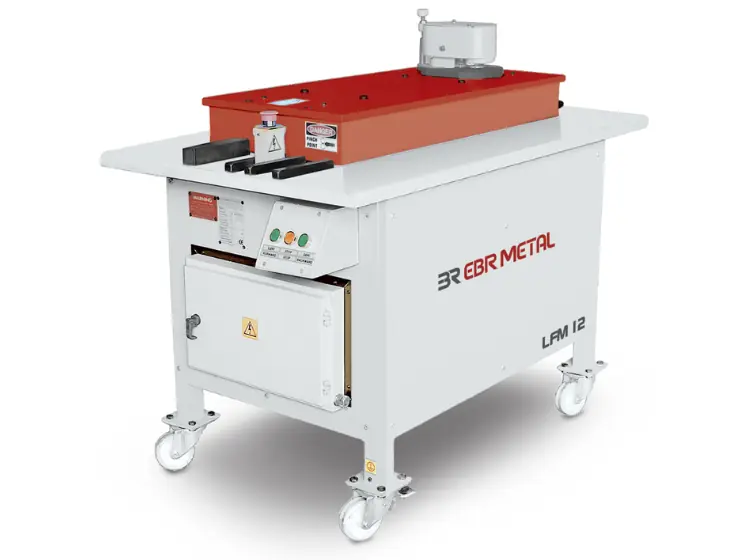
Ventilation Duct Machines
Ventilation duct machines are used in HVAC duct production for cutting, locking, forming and shaping sheet metal. These machines support duct workshops that need repeatable production of air channels, fittings and related sheet metal parts.
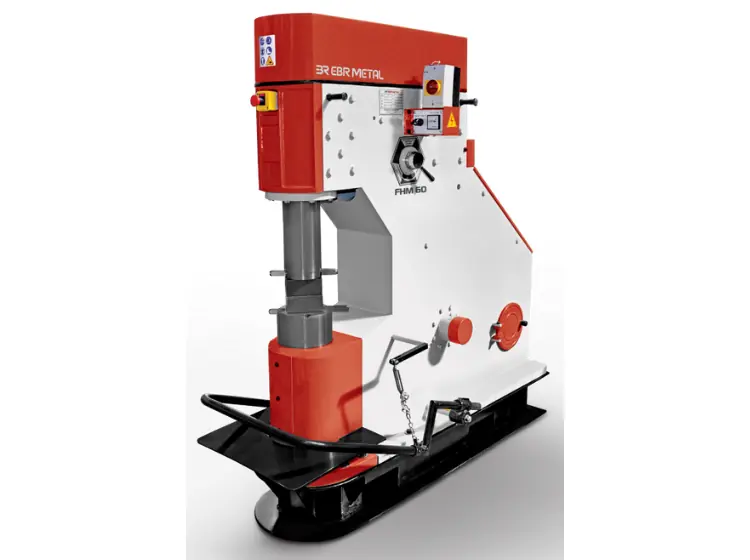
Forging Machines
Forging machines for hot forging: FHM pneumatic forging hammers, hydraulic and mechanical presses for hot forging and complete forging lines. Wrought iron machines for ornamental work are available to order.
Choosing the Right Sheet Metal Machinery
Selecting the right sheet metal fabrication machines starts with the part you need to produce. Material type, thickness, bending length, production volume and final part geometry all affect the machine choice.
One common issue is terminology. In many markets, the word “bending” is used for both folding and rolling processes. A customer may ask for a bending machine when the actual requirement is a folding machine, or describe a rolling process as bending. Because of this, it is worth checking the required part shape before selecting a machine category.
Capacity values also need to be read correctly. In this industry, machine capacities are usually stated for ST37 or mild steel. Stainless steel should not be evaluated against the same capacity figure.
**As a practical example, a machine rated for 4 mm mild steel may work at around 2 mm capacity when processing stainless steel, depending on the machine type and configuration.**
For hydraulic presses, mechanical presses, profile bending machines and rolling machines, a technical drawing makes machine selection far more accurate. Details such as bending length, minimum inside diameter, daylight, stroke, material grade and final part dimensions can all change the recommended model.
Rolling machines also call for careful capacity matching. A machine with high plate rolling capacity is not automatically suitable for very thin sheets.
**As rolling capacity increases, the minimum workable sheet thickness tends to increase as well.**
This should be checked before choosing a machine for both thick and thin materials.
Key factors to consider:
- Material type and thickness
- ST37 / mild steel or stainless steel capacity
- Required part geometry
- Bending length or rolling diameter
- Production volume and cycle requirements
- Tooling, automation and operator workflow
- Available workshop space and installation conditions
EBR METAL can review your production requirements and recommend a machine configuration based on the part you need to manufacture.
Machine Categories Explained
Sheet metal fabrication machinery includes different machine groups used across metal fabrication workflows. Cutting machines prepare the sheet before further processing. Folding creates straight bends with controlled angles, while rolling forms sheet or plate into cylindrical, conical or curved shapes. Hydraulic and mechanical presses are used for forming, stamping, drawing and pressing operations.
Profile bending machines are used for tubes, pipes and structural sections, while steelworker and punching machines help workshops process plates and profiles with multiple functions in one machine. HVAC duct machines support ventilation duct production, and wrought iron machines serve decorative metal forming applications.
Installation, Training and Global Support
EBR METAL supports customers before and after machine delivery. Our team can help review the required production process, confirm technical details and prepare the machine configuration for the application.
Installation support, operator guidance and after-sales communication are part of our working process. With long-term manufacturing experience and exports to more than 45 countries, EBR METAL supplies sheet metal fabrication machinery for workshops, factories and industrial production facilities across different markets.
Can’t Find the Right Machine?
Not sure which category fits your process? Tell us your material type, thickness, part dimensions and production target, and our team will point you to the right machine category.
About EBR METAL
Learn about our manufacturing background, export experience and approach to practical metal fabrication machinery.
Contact Our Team
Speak with our team for product selection, technical clarification and project support.
Get a Quote
Ready to move forward? Send your material type, thickness, technical drawing or production details, and we’ll follow up with a machine recommendation and quotation.
We typically respond within 24 hours with technical details, configuration options and delivery information.
Frequently Asked Questions - Sheet Metal Machines
What is the difference between a folding machine and a plate rolling machine?
A folding machine bends sheet metal along a straight line, usually for panels, boxes, covers and similar parts. A plate rolling machine forms sheet or plate material into cylinders, cones and curved shapes. In some markets, both processes may be described as “bending,” so it is worth checking the required part shape before choosing the machine.
How are machine capacity ratings evaluated?
Machine capacities are usually stated for ST37 or mild steel. Stainless steel should not be evaluated against the same capacity figure. **As a practical example, a machine rated for 4 mm mild steel may work at around 2 mm capacity for stainless steel, depending on the machine type and configuration.** *(PROTECTED TECHNICAL CLAIM A, restated — do not alter. OWNER-VERIFIED correct.)*
What information is needed for an accurate quotation?
Material type, thickness, part dimensions, production volume and the required operation should be shared. For hydraulic presses, mechanical presses, profile bending machines and rolling machines, a technical drawing helps confirm details such as bending length, minimum inside diameter, daylight, stroke and final part geometry.