



CMM Motorized Sheet Metal Folding Machine
EBR METAL’s CMM motorized folding machine clamps and bends sheet metal with a motor-driven upper beam and a motor-driven bending action, operated from a foot pedal so the operator can keep both hands available to position the sheet. It is available in three working lengths — 1520, 2020 and 2520 mm.
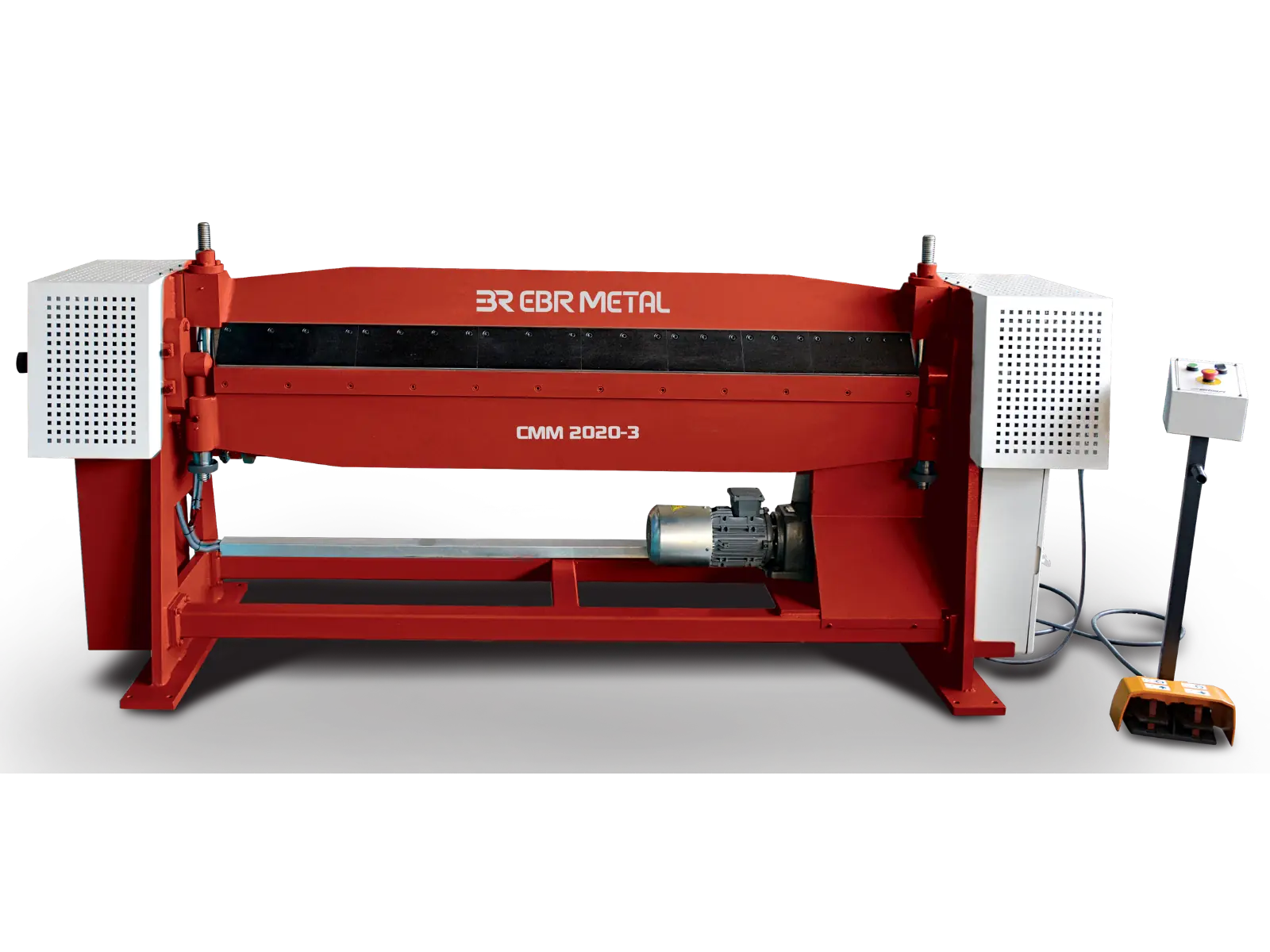
EBR METAL’s CMM motorized folding machine clamps and bends sheet metal with a motor-driven upper beam and a motor-driven bending action, operated from a foot pedal so the operator can keep both hands available to position the sheet. It is available in three working lengths — 1520, 2020 and 2520 mm.
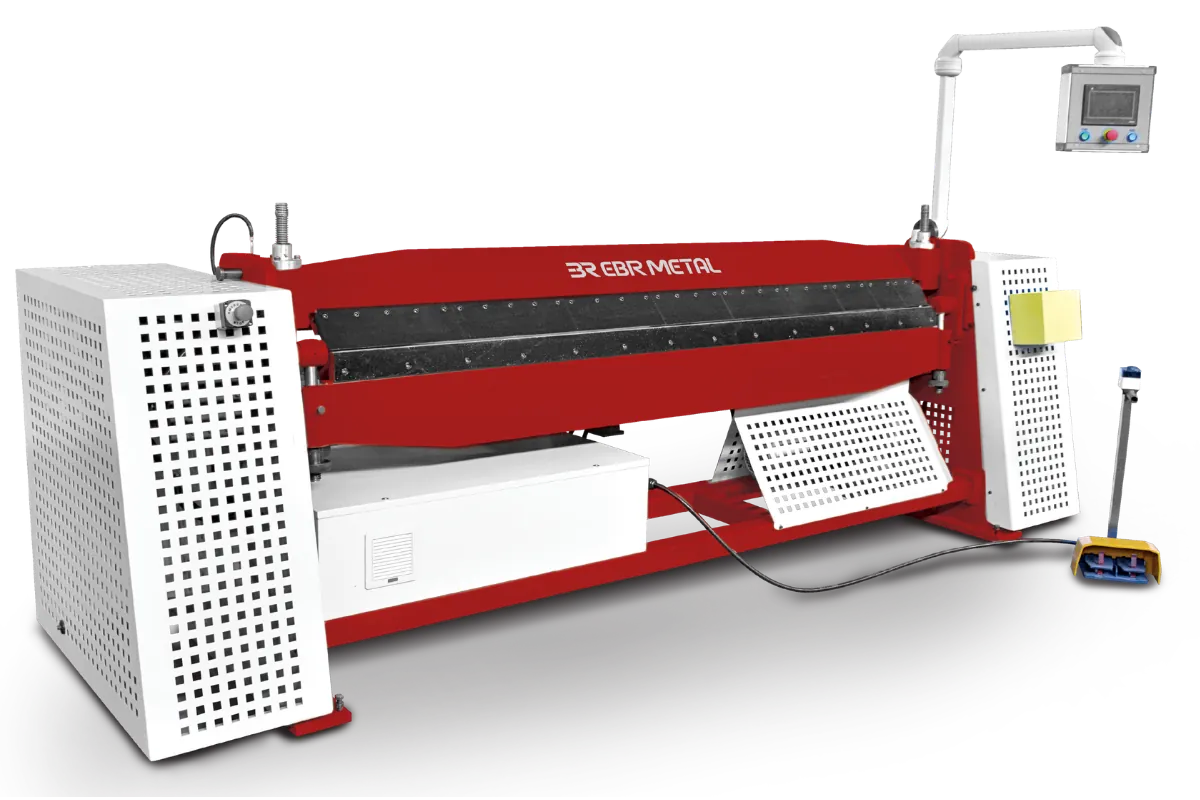
CMM or CHM: Choosing Between EBR METAL's Motorized and Hydraulic Folders
CMM and CHM were developed over time as alternative machines for broadly similar sheet metal bending work, and EBR continues to produce both in response to customer demand. CHM offers a wider range of working lengths and is the model EBR recommends more often in general terms. CMM can appear somewhat easier to operate from the customer’s perspective, though CHM is also straightforward to use. Our team can help you compare them for your job.
CMM Product Gallery
Construction and Standard Equipment
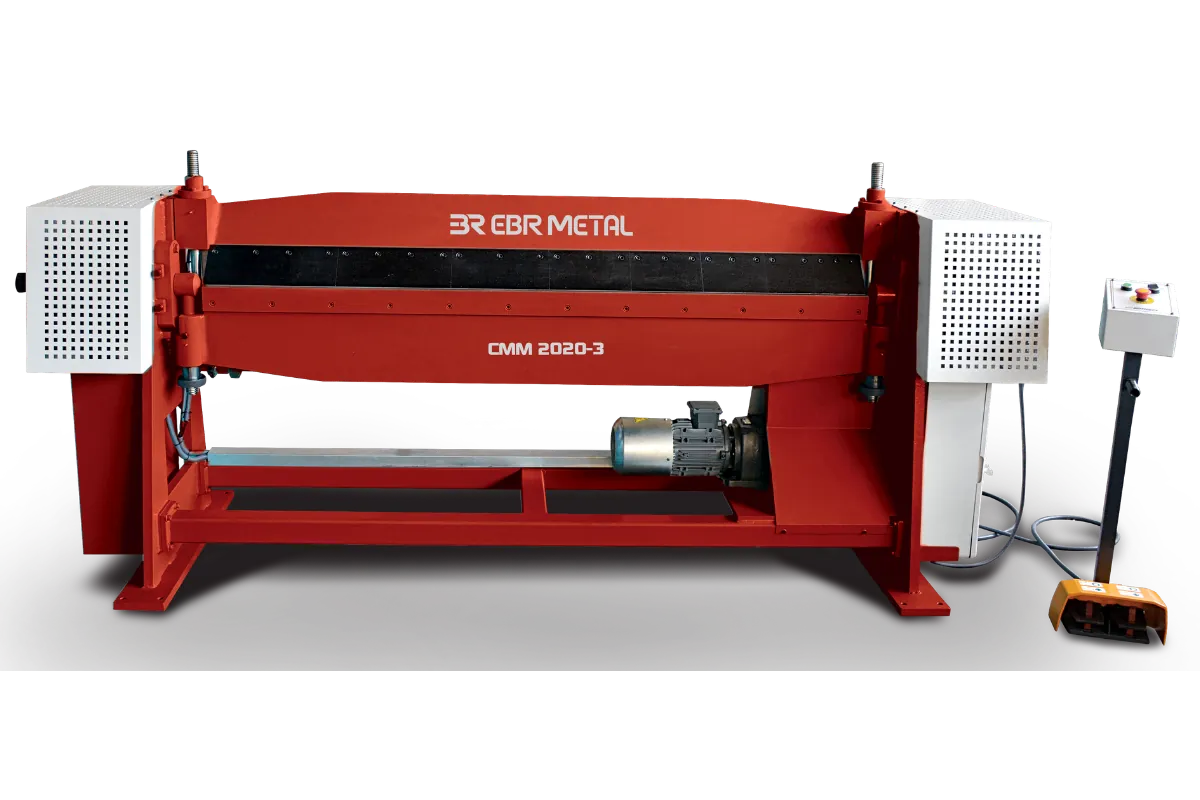
The CMM is built on a welded steel construction. Standard equipment includes:
– Foot pedal control, for positioning the sheet by hand without occupying both hands.
– Motor-driven upper beam for the clamping movement.
– Motor-driven bending operation.
– Segmented upper beam.
– Up to 100 mm opening between the upper and lower beams.
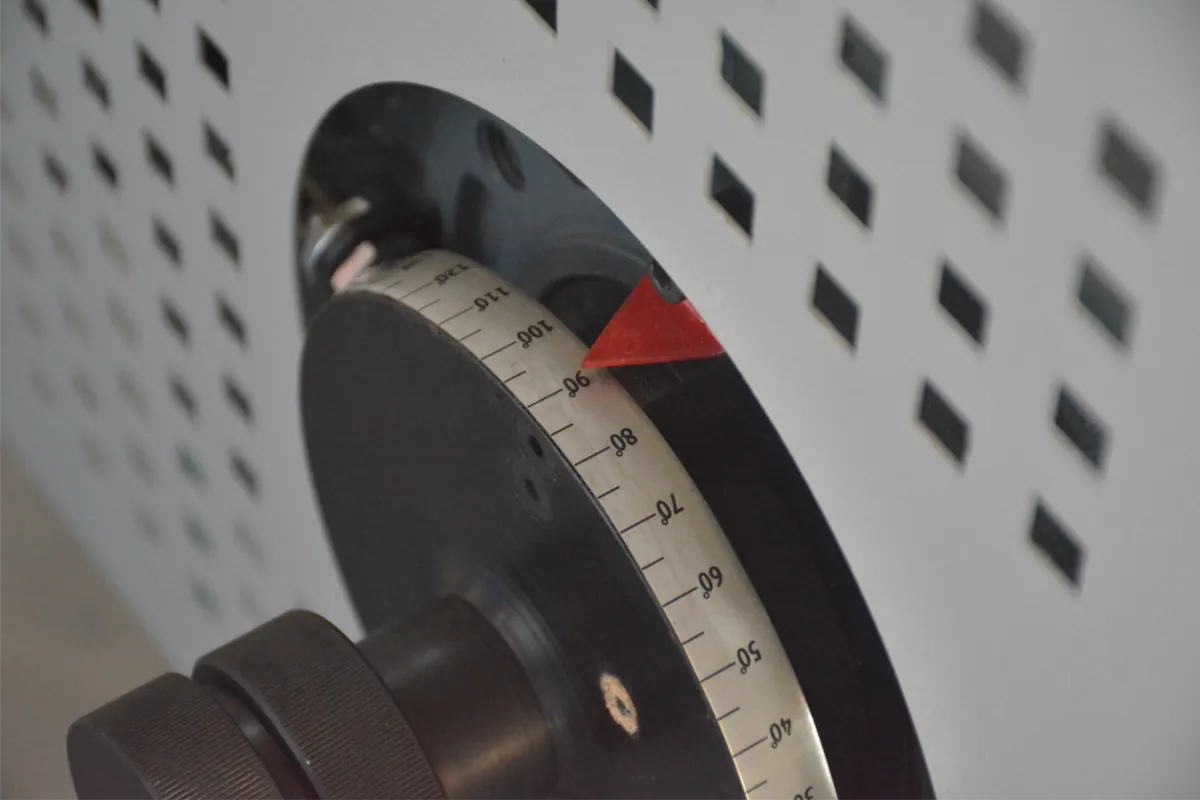
– Easy angle setup.
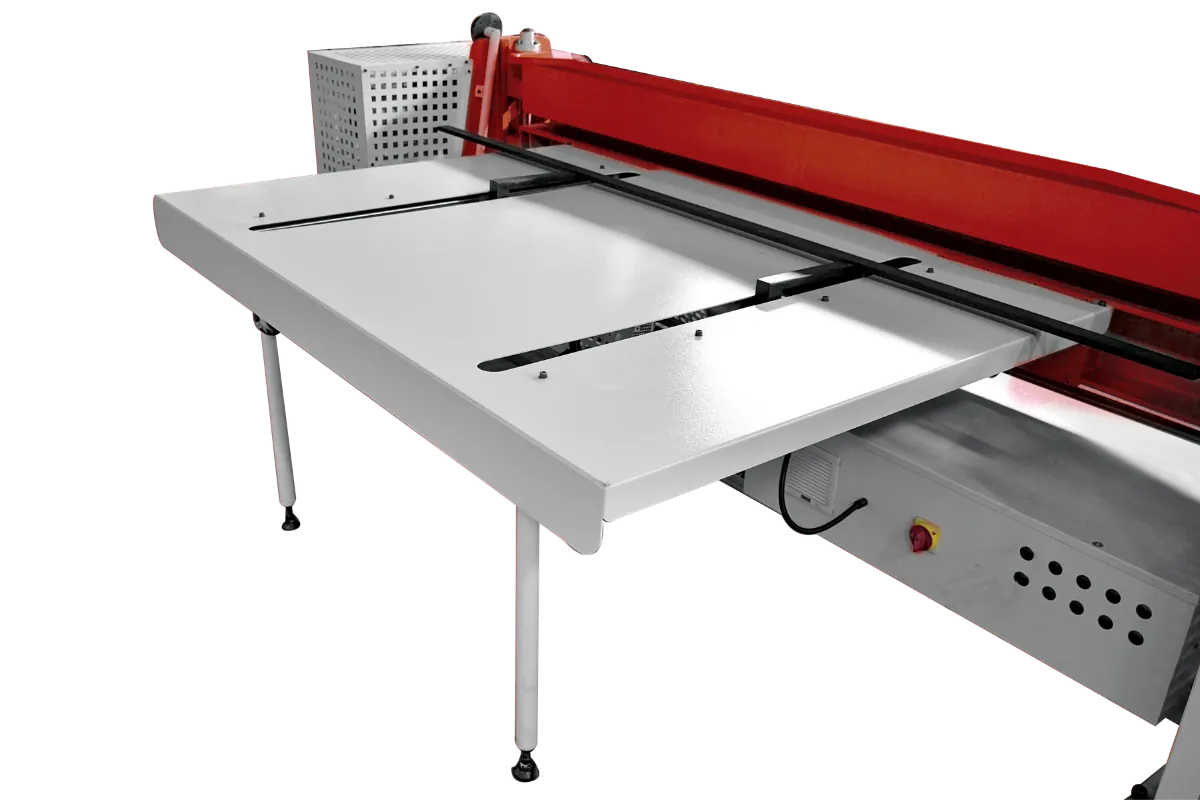
– Manual backgauge with a 600 mm stroke, standard on all three models.
CMM Technical Specifications
Capacities below are nominal values for carbon/mild steel at 400 N/mm² material tensile strength. Actual suitability for a given job also depends on material thickness, required bending length, tooling and part geometry.
| Model | Working Length (mm) | Max. Bending Angle | Capacity (mm) | Clamping Motor (kW) | Bending Motor (kW) | Width (mm) | Length (mm) | Height (mm) | Approx. Weight (kg) |
|---|---|---|---|---|---|---|---|---|---|
| CMM 1520 | 1520 | 135° | 4.00 | 2.20 | 3 | 1900 | 2200 | 1600 | 1050 |
| CMM 2020 | 2020 | 135° | 3.00 | 2.20 | 3 | 1900 | 2700 | 1600 | 1450 |
| CMM 2520 | 2520 | 135° | 2.50 | 2.20 | 3 | 1900 | 3200 | 1600 | 1950 |
Parts, Bending Work and Selection
The segmented upper beam supports box-and-pan-style bends, trays and parts with return flanges, wherever the part’s geometry fits within the machine’s capacity and beam opening.
To confirm whether a CMM is the right fit for your job, EBR needs the maximum bending width, the maximum material thickness and, ideally, a technical drawing of the part. A drawing becomes especially important for complex bends, since it lets us check the job against the machine’s capacity, tooling and access.
Manual, motorized and hydraulic folding machines differ in operating method, bending capacity and available working lengths. These differences affect what each machine can process.
Need help selecting the right CMM motorized sheet metal folding machine for your bending requirements? Our engineering team can help you evaluate the appropriate model based on material strength, maximum sheet thickness, required bending width and the geometry shown in your technical drawing.
Frequently Asked Questions
What is the difference between CMM and CHM?
CMM is motor-driven, while CHM is hydraulic. See the comparison above, or contact us with your job details for a specific recommendation.
What information does EBR need to confirm a CMM is suitable for a job?
The maximum bending width, the maximum material thickness and, especially for complex bends, a technical drawing of the part, so we can check the job against the machine’s capacity, tooling and geometry.
Can the CMM bend box and pan shapes?
Its segmented upper beam supports box-and-pan-style bends and parts with return flanges, within the machine’s capacity and beam opening.
What backgauge does the CMM have?
A standard manual backgauge with a 600 mm stroke, on all three models.
What material does the technical table's capacity apply to?
The listed capacities are nominal values for carbon/mild steel at 400 N/mm² material tensile strength. Actual suitability also depends on material thickness, required bending length, tooling and part geometry.