



Sheet Metal Folding Machines and Press Brakes
EBR METAL supplies sheet metal folding machines and press brakes for workshops and industrial production lines. The range covers CNC and NC press brakes together with hydraulic, motorized and manual folding machines.
Explore the machine families below, or send us the material, thickness, bending length and part details for a suitable configuration.
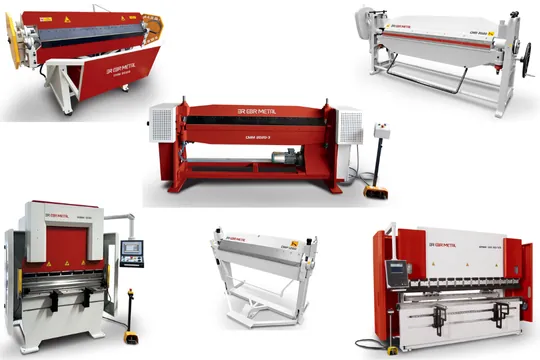
EBR METAL supplies sheet metal folding machines and press brakes for workshops and industrial production lines. The range covers CNC and NC press brakes together with hydraulic, motorized and manual folding machines.
Explore the machine families below, or send us the material, thickness, bending length and part details for a suitable configuration.
Explore Machine Families
EBR METAL offers five machine families for sheet metal folding and press-brake bending. Choose the family that matches your control, material and production requirements.
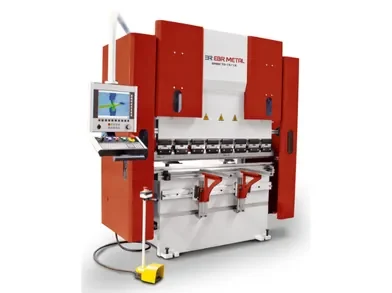
CNC Press Brakes
CNC-controlled press brakes built for production that needs programmable bending sequences, repeatability and a higher level of control. EPBM configurations vary by model and application.
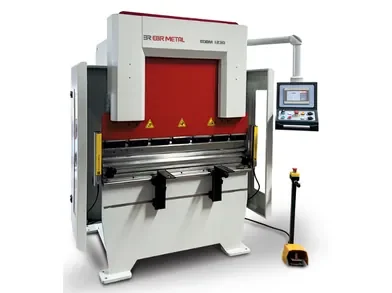
NC Press Brakes
NC press brakes for straightforward production, offering practical control and reliable bending performance without the full programming level of a CNC system.
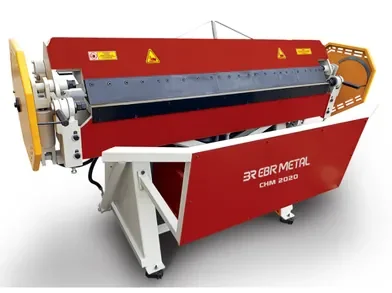
Hydraulic Folding Machines
Hydraulic folding machines with welded steel construction and segmented upper blades as standard. Configuration is selected according to material, capacity, length and part geometry.
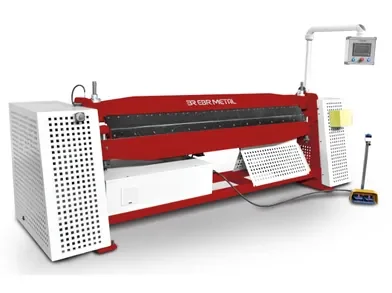
Motorized Folding Machines
Welded steel construction and segmented upper blades come standard on EBR METAL’s motorized folding machines. Simple controls, without NC programming, support fast and straightforward operation for box-and-pan work.
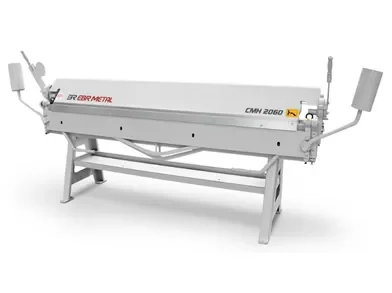
Manual Folding Machines
Manually operated folding solutions, including CMH models with a standard one-piece upper blade. Compare the available machines to select a model for the required material, length and application.
Choosing the Right Machine for Your Application
The right family depends on what the job needs. Programmed, repeatable bending points to a CNC or NC press brake. For box-and-pan work formed with a folding beam, options include hydraulic, motorized or manual folding machines. Lower production volumes often suit the motorized or manual range.
How These Machines Work
Press Brake Bending (EPBM, EDBM)
A press brake forms the bend using a ram that presses the sheet between a punch and a die. EPBM press brakes use CNC control for multi-axis, repeatable bending. EDBM press brakes use NC control for straightforward, reliable production without full CNC programming.
Folding Beam Bending (CHM, CMM, Manual Folding Machines)
In folding beam bending, the clamping beam holds the sheet while the folding beam moves through the required angle. The machine type and tooling arrangement depend on the part and production requirements.
Because the sheet stays clamped and supported throughout the bend, folding beam bending can be practical for handling large sheets and panels.
Folding machines are commonly used for panels, enclosures, cabinets, trays, ductwork, roofing and gutter components, and other parts where straight bends, controlled angles and practical sheet handling are important.
Material and Capacity
The listed capacities for EBR METAL folding machines and press brakes are based on St37 carbon steel. Actual bending capacity depends on the material: stainless steel typically allows a lower capacity than the listed figures, while aluminum can allow a higher capacity. Where available, model catalogues note specific capacity figures for other materials.
EBR METAL can confirm the suitable machine and configuration once the material and part details are known.
Why Choose EBR METAL?
EBR METAL manufactures different press brake and folding machine families so the equipment can be matched to the part, material, capacity and production requirements of each application.
Machine Configuration and Project Support
We review the part, production requirements and any drawings or samples before recommending a machine. For an accurate recommendation, EBR METAL typically needs the material type, maximum thickness, required bending length and, for complex or box-and-pan parts, a simple technical drawing. The preferred way of operating the machine (manual, motorized or hydraulic) and whether CNC or NC control is needed also help narrow down the right configuration.
Where the relevant machine is available, a trial bend can sometimes be recorded on video. This depends on the machine and the specific request, and is not offered for every enquiry.
EBR METAL exports these machines to customers worldwide, with final specifications and optional equipment confirmed for each quotation.
Need Help Selecting a Folding Machine?
Frequently Asked Questions About Sheet Metal Folding Machines
Find answers to common questions about EBR METAL sheet metal folding machines and press brakes — selection criteria, applications, materials and how to request a quotation.
What is the difference between a press brake and a folding machine?
A press brake forms the bend by pressing the sheet between a punch and die. A folding machine clamps the sheet and creates the bend with a moving folding beam. Which method suits a given part depends on its geometry, material, thickness, bending length and production requirements.
How do I choose the right sheet metal bending machine?
Machine selection depends on the material, maximum thickness, bending length, part geometry, required level of control and expected production volume. Sharing part drawings, dimensions or sample details helps EBR METAL evaluate the application more accurately.
Can these machines bend stainless steel and aluminum?
Selected models may be suitable for stainless steel, aluminum and other sheet materials. Bending capacity and tooling requirements vary with the material properties, thickness, bend geometry and machine configuration, so the application must be confirmed before ordering.
Are segmented tools available for box-and-pan bending?
Segmented upper tooling is available on selected folding machine families and can be used for box-and-pan work and parts with return flanges. Standard tooling and available options depend on the machine family and model selected.
Can EBR METAL review our part drawings before quotation?
Yes. EBR METAL can review part drawings, dimensions, samples and production requirements before quotation. This information helps determine the right machine family, capacity, tooling and optional equipment for the application.